

In today’s fast-paced world, stress and anxiety have become common challenges for many people. The relentless demands of work, family, and personal expectations can often feel overwhelming, leading many to seek relief through various means. Fortunately, there are natural remedies that can help manage these feelings effectively. These remedies not only provide a holistic approach to mental well-being but also empower individuals to take control of their mental health. In this article, we’ll explore various methods and techniques to help you find peace of mind without relying on medication.
Before diving into remedies, it’s important to understand what stress and anxiety are. Stress is a response to external pressures that exceed your ability to cope, whether these pressures are real or perceived. It can manifest in various forms, including physical symptoms like headaches and fatigue, or emotional symptoms such as irritability and frustration. Anxiety, on the other hand, is a feeling of worry or fear about future events. It is often characterized by feelings of unease, nervousness, or dread and can arise even in the absence of a specific threat. Both can have significant impacts on your physical and mental health if not managed properly, potentially leading to chronic health issues like heart disease, depression, or anxiety disorders. Understanding these conditions is the first step in managing them effectively.
Meditation Techniques for Stress Relief
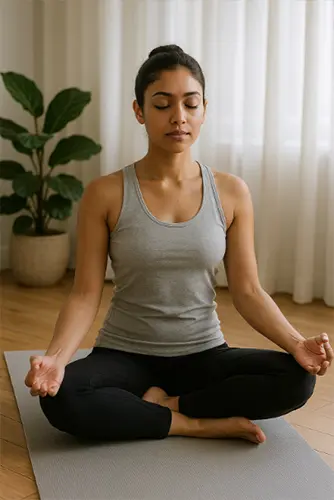
Meditation is a powerful tool for managing stress and anxiety. It involves focusing your mind on a particular object, thought, or activity to train attention and awareness. The practice of meditation has been shown to reduce stress, enhance emotional health, and promote a sense of inner peace. Here are a few meditation techniques you can try:
Mindfulness Meditation
Mindfulness meditation encourages you to focus on the present moment without judgment. This practice involves paying attention to thoughts, sensations, and feelings without trying to change them. By fostering an attitude of openness and acceptance, mindfulness meditation can help reduce stress by promoting relaxation and awareness. Regular practice can enhance your ability to cope with stress by improving emotional regulation and decreasing negative reactivity.
Guided Meditation
In guided meditation, a narrator leads you through visualizations and breathing exercises. This can be particularly helpful for beginners who need structure in their practice. Guided meditation can transport you to a place of tranquility and relaxation, helping to reduce anxiety and promote feelings of peace. It often involves imagery and a soothing narrative that aids in shifting your focus away from stressors, providing a mental break from daily pressures.
Breathing Exercises to Calm the Mind
Breathing exercises are simple yet effective ways to reduce stress. They help oxygenate the body, improve focus, and can be done anywhere, anytime. The act of controlled breathing helps activate the parasympathetic nervous system, which is responsible for rest and relaxation. Here are two techniques to consider:
Deep Breathing
Deep breathing involves taking slow, deep breaths in through your nose and out through your mouth. This process can help slow your heart rate and induce a state of calm. By focusing on your breath, you can divert your attention from stressors and create a moment of peace. Regular practice of deep breathing can improve lung capacity and promote a general sense of well-being, making it an accessible tool for anyone seeking stress relief.
Box Breathing
Box breathing is a four-step process where you inhale, hold your breath, exhale, and hold again, each for a count of four. This method can help balance your autonomic nervous system, reducing stress and promoting mental clarity. By engaging in box breathing, you create a rhythmic pattern that can stabilize your mood and enhance focus. It’s particularly useful in high-stress situations where you need to maintain composure and clarity.
Holistic Stress Treatment Approaches
Holistic approaches consider the whole person, including physical, emotional, mental, and spiritual aspects. These methods aim to restore balance and harmony in all areas of life, leading to improved stress management. Here are some holistic methods to manage stress:
Yoga
Yoga combines physical postures, breathing exercises, and meditation to improve overall well-being. It can enhance flexibility, strength, and mental clarity, making it a comprehensive practice for both body and mind. Regular yoga practice has been shown to reduce stress hormones, improve mood, and increase the production of endorphins, the body’s natural mood elevators. Whether you’re practicing gentle Hatha yoga or the more vigorous Ashtanga, yoga can be tailored to suit your individual needs.
Aromatherapy
Aromatherapy uses essential oils to promote health and well-being. Scents like lavender and chamomile are known for their calming effects, helping to soothe the mind and reduce anxiety. By inhaling these fragrances, you can influence the limbic system, the brain’s emotion center, promoting relaxation and stress relief. Incorporating aromatherapy into your daily routine can be as simple as adding a few drops of essential oil to a diffuser or taking a relaxing bath with aromatic oils.
Herbal Supplements for Stress
Herbal supplements can be a natural way to reduce stress. These plant-based remedies have been used for centuries in traditional medicine to promote relaxation and well-being. However, it’s important to consult with a healthcare provider before starting any new supplement, as they can interact with other medications or conditions. Some popular options include:
Ashwagandha
Ashwagandha is an adaptogen that helps the body cope with stress. It can improve mood and reduce anxiety levels by modulating stress hormones and promoting a balanced response to stressors. Research suggests that ashwagandha can also enhance cognitive function and support overall mental health, making it a valuable addition to a stress management regimen.
Valerian Root
Valerian root is often used to promote relaxation and improve sleep quality. It’s a popular choice for those dealing with insomnia due to stress, as it can calm the nervous system and reduce restlessness. Valerian root has been shown to decrease the time it takes to fall asleep and improve sleep quality, making it beneficial for those whose stress impacts their sleep patterns.

by Shruti Mishra (https://unsplash.com/@theoshwellness)
Mind Relaxation Tips
In addition to structured practices like meditation, there are everyday habits you can adopt to relax your mind. Incorporating these simple yet effective strategies into your daily routine can significantly reduce stress levels and enhance mental clarity.
Journaling
Writing down your thoughts and feelings can help you process emotions and reduce stress. It’s a great way to gain insight into your stressors and work through them. Journaling can also serve as a therapeutic outlet, allowing you to express emotions and track patterns in your thoughts and behaviors over time. By reflecting on your entries, you can identify triggers and develop strategies to cope with stress more effectively.
Listening to Music
Music has the power to affect your mood and reduce stress. Listening to calming music or nature sounds can help soothe your mind and body, creating a peaceful environment. Whether it’s classical music, ambient soundscapes, or the gentle rustle of leaves, music can transport you to a place of relaxation and tranquility. Creating a playlist of your favorite calming tracks can serve as a go-to resource when you need to unwind.
Wellness Coaching for Anxiety
If you’re struggling to manage stress and anxiety on your own, consider seeking the guidance of a wellness coach. These professionals can provide personalized strategies and support to help you achieve a balanced lifestyle. Wellness coaching focuses on empowering individuals to make sustainable changes that enhance their physical, emotional, and mental well-being.
What to Expect from a Wellness Coach
A wellness coach will assess your current lifestyle, identify stressors, and work with you to develop a plan that includes natural remedies and lifestyle changes to manage anxiety. They offer guidance on setting realistic goals, building healthy habits, and maintaining motivation. With the support of a wellness coach, you can navigate the challenges of stress and anxiety with confidence, knowing you have a dedicated partner in your journey toward well-being.
Conclusion
Managing stress and anxiety doesn’t always require medication. By incorporating these natural remedies into your routine, you can find relief and improve your overall quality of life. These approaches not only address symptoms but also foster a deeper understanding of your stressors, enabling you to tackle them more effectively. Remember to consult with a healthcare professional before starting new treatments, especially if you have underlying health conditions.
Finding what works best for you may take some trial and error, but with persistence and an open mind, you can discover effective ways to maintain mental and emotional well-being. Embrace the journey to stress relief as a personal exploration of self-care and resilience, knowing that each step brings you closer to lasting peace and fulfillment.