

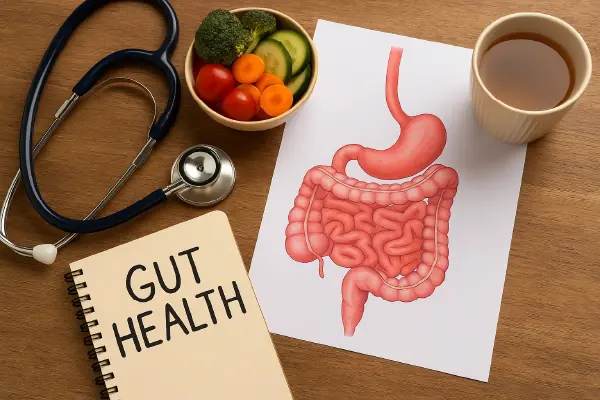
Understanding the complexities of gut health requires a deeper look into how our body functions. The gut is often referred to as the «second brain» due to its extensive network of neurons and its ability to communicate with the brain. This connection is known as the gut-brain axis, and it underscores the importance of maintaining gut health not only for physical well-being but also for mental health. By nurturing this vital system, we can enhance our overall quality of life.
Gut health refers to the balance of microorganisms that live in the digestive tract. It’s essential for the proper digestion of food, absorption of nutrients, and elimination of waste. A healthy gut contains beneficial bacteria and immune cells that ward off infectious agents like bacteria, viruses, and fungi. When this balance is disrupted, it can lead to a variety of digestive issues, including bloating, constipation, and diarrhea.
Moreover, gut health is also linked to the production of neurotransmitters, which are chemicals that transmit signals in the brain. For example, about 90% of the body’s serotonin, a neurotransmitter that regulates mood, is produced in the gut. This highlights the importance of maintaining a balanced gut microbiome not only for digestive health but also for emotional and psychological well-being.
The gut microbiome is a collection of trillions of microorganisms, including bacteria, viruses, and fungi, residing in the gastrointestinal tract. These microbes play a crucial role in breaking down food, producing vitamins, and supporting immune function. An imbalance in this microbiome, often referred to as dysbiosis, can lead to digestive issues and impact overall health. Dysbiosis has been linked to a range of conditions, from inflammatory bowel disease to obesity and even type 2 diabetes.
The diversity of the microbiome is another critical factor in gut health. A diverse microbiome is associated with resilience against infections and better overall health. Various factors, such as diet, lifestyle, and antibiotics, can influence the composition and diversity of the gut microbiome. Thus, maintaining a varied and balanced diet is crucial for supporting a healthy microbiome and, consequently, better health outcomes.
The Impact of Gut Health on Overall Wellness
Gut Health and the Immune System
A significant portion of the immune system is housed in the gut. The gut-associated lymphoid tissue (GALT) is a critical component of the immune system, protecting the body against pathogens. A healthy gut microbiome supports the immune system by promoting the production of antibodies and stimulating immune cells. This interaction helps the body to fend off infections and reduces the risk of chronic inflammation, which is a precursor to many diseases.
Furthermore, the gut acts as a barrier, preventing harmful pathogens from entering the bloodstream. When the gut microbiome is balanced, it strengthens this barrier, reducing the likelihood of infections and diseases. In contrast, an unhealthy gut can compromise this barrier, making the body more susceptible to illnesses. Thus, maintaining gut health is crucial for a robust immune system and overall wellness.
Leaky Gut Syndrome
Leaky gut syndrome is a condition where the intestinal barrier becomes permeable, allowing undigested food particles, toxins, and bacteria to «leak» into the bloodstream. This can trigger inflammation and lead to various health issues, including autoimmune diseases, allergies, and even mental health disorders. The condition is often exacerbated by poor diet, stress, and certain medications, which can further compromise gut integrity.
Addressing leaky gut syndrome involves dietary changes, stress management, and possibly supplementation to restore the gut barrier’s integrity. Consuming foods rich in fiber and antioxidants can help repair the gut lining, while reducing the intake of processed foods can minimize inflammation. Understanding the signs of leaky gut and taking proactive measures can significantly improve one’s health and prevent the onset of related conditions.
Gut Health and Mental Well-being
Emerging research suggests a strong link between gut health and mental well-being. The gut-brain axis, a communication network that connects your gut and brain, plays a significant role in mood regulation. An unhealthy gut can contribute to mental health disorders such as anxiety and depression. This is partly due to the production of neurotransmitters in the gut, which influence mood and cognitive function.
In addition to neurotransmitter production, the gut microbiome affects inflammation levels, which have been linked to mental health issues. Chronic inflammation in the body, often stemming from poor gut health, can exacerbate symptoms of depression and anxiety. By supporting gut health through diet, probiotics, and stress management, individuals can potentially improve their mental well-being and reduce the risk of mood disorders.
Supporting Gut Health
Probiotics and Gut Health
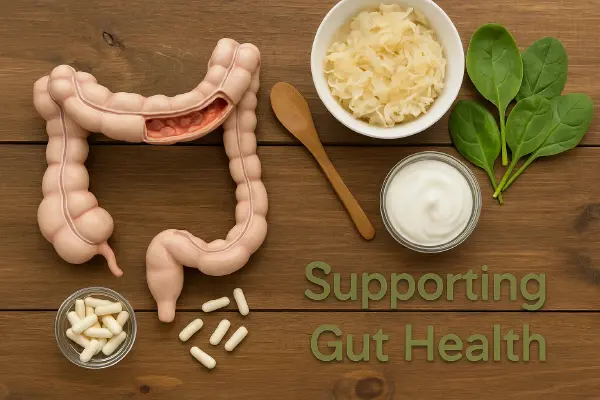
Probiotics are live bacteria and yeasts that are beneficial for digestive health. They help restore the natural balance of gut bacteria. Incorporating probiotic-rich foods like yogurt, kefir, and fermented vegetables into your diet can support a healthy microbiome. These foods not only enhance gut flora but also improve digestion and boost the immune system.
Additionally, probiotics have been shown to alleviate symptoms of irritable bowel syndrome (IBS) and other digestive disorders. They can also play a role in preventing antibiotic-associated diarrhea. For those unable to consume probiotic-rich foods regularly, supplements can be a convenient alternative, offering similar benefits for gut health.
Choosing the Best Probiotic for Gut Health
When selecting a probiotic, consider factors such as the specific strains of bacteria, the number of colony-forming units (CFUs), and the delivery method. For gut health, look for probiotics that contain Lactobacillus and Bifidobacterium strains, as they are well-researched and effective. The CFU count is crucial, as higher numbers generally indicate more potent probiotics, but it’s essential to follow recommended dosages.
It’s also important to choose probiotics that can survive the acidic environment of the stomach to reach the intestines, where they exert their beneficial effects. Some probiotics come in enteric-coated capsules designed to withstand stomach acid. Consulting a healthcare professional can provide personalized recommendations based on individual health needs and conditions.
Microbiome Support Through Diet
A diet rich in fiber, whole grains, and a variety of fruits and vegetables supports microbiome diversity. Prebiotics, which are non-digestible fibers found in foods like garlic, onions, and bananas, serve as food for beneficial bacteria, promoting their growth and activity. Including these foods in your diet can enhance gut health and prevent dysbiosis.
Moreover, reducing the intake of processed foods and sugars is vital, as these can harm beneficial bacteria and promote the growth of harmful ones. Incorporating a variety of plant-based foods ensures a diverse microbiome, which is key to resilience and overall health. Simple dietary adjustments can have profound effects on gut health and, by extension, overall wellness.
Digestive Enzymes for Bloating Relief
Digestive enzymes help break down food more effectively, reducing symptoms of bloating and discomfort. They can be particularly beneficial for individuals with enzyme deficiencies or those experiencing digestive distress after meals. These enzymes work by aiding in the breakdown of carbohydrates, proteins, and fats, enhancing nutrient absorption and reducing gastrointestinal symptoms.
Supplementing with digestive enzymes can also support those with conditions such as lactose intolerance or pancreatic insufficiency. It’s essential to choose the right enzyme blend tailored to individual dietary needs. Consulting a healthcare provider can help determine the appropriate enzymes to supplement, ensuring optimal digestive health and comfort.
Integrative GI Care
What Is Integrative GI Care?
Integrative gastrointestinal (GI) care combines conventional medicine with complementary therapies to address digestive health holistically. It focuses on identifying and treating the root causes of digestive issues, rather than just managing symptoms. This approach may include nutritional counseling, stress management techniques, and the use of herbal remedies alongside traditional medical treatments.
The goal of integrative GI care is to provide a comprehensive treatment plan that considers all aspects of an individual’s health. By addressing lifestyle factors, such as diet and exercise, alongside medical interventions, integrative care aims to achieve long-term improvements in digestive health. This patient-centered approach often leads to more sustainable health outcomes and improved quality of life.
Benefits of Integrative GI Care
Integrative GI care offers a personalized approach to digestive health. By considering factors like diet, lifestyle, and stress levels, practitioners can provide tailored recommendations that promote optimal gut health and overall wellness. This approach not only addresses current symptoms but also focuses on preventing future health issues by fostering a balanced and resilient digestive system.
Additionally, integrative GI care often involves collaboration between various healthcare professionals, such as dietitians, naturopaths, and gastroenterologists, ensuring a well-rounded treatment plan. Patients benefit from a diverse range of perspectives and expertise, leading to more effective and individualized care. As a result, individuals are empowered to take an active role in managing their health, leading to better adherence and outcomes.
Practical Steps to Improve Gut Health
Mindful Eating
Practicing mindful eating involves paying attention to the taste, texture, and aroma of food, which can improve digestion and nutrient absorption. Eating slowly and chewing thoroughly also aids in the digestive process. By focusing on the eating experience, individuals can better recognize hunger and satiety cues, leading to healthier eating habits.
Mindful eating also encourages individuals to make more conscious food choices, opting for nutrient-dense options that support gut health. This practice reduces the likelihood of overeating and can prevent digestive discomfort. By incorporating mindfulness into mealtimes, individuals can foster a more positive relationship with food and improve their overall well-being.
Stress Management
Chronic stress can negatively impact gut health by altering the gut microbiome and increasing intestinal permeability. Incorporating stress-reducing activities such as yoga, meditation, and deep breathing exercises can support a healthy gut. These practices help modulate the body’s stress response, reducing cortisol levels and promoting relaxation.
In addition to traditional stress management techniques, engaging in hobbies, spending time in nature, and fostering social connections can also alleviate stress. By prioritizing stress management, individuals can protect their gut health and enhance their overall quality of life. A balanced lifestyle that includes regular relaxation and self-care is crucial for maintaining a healthy gut.
Regular Physical Activity
Exercise promotes a healthy gut by increasing the diversity of gut bacteria. Aim for at least 150 minutes of moderate-intensity exercise per week to support overall wellness and gut health. Physical activity not only enhances gut flora but also improves digestion and boosts immune function, further supporting health.
Incorporating a variety of exercises, such as cardio, strength training, and flexibility workouts, can maximize health benefits and keep routines engaging. Regular physical activity also contributes to weight management, reducing the risk of obesity-related gut issues. By making exercise a consistent part of daily life, individuals can support a thriving gut and overall well-being.
Conclusion
The connection between gut health and overall wellness is undeniable. By taking steps to support your gut microbiome, you can improve not only your digestive health but also your immune function and mental well-being. Incorporating probiotics, maintaining a balanced diet, and adopting a holistic approach to health can lead to a thriving gut and a healthier you. The benefits of a healthy gut extend beyond the digestive system, influencing mood, energy levels, and even skin health.
Incorporate these strategies into your daily routine, and you’ll be on your way to better health from the inside out. Remember, a healthy gut is the foundation of a healthy life. By prioritizing gut health, you empower yourself to live a more vibrant, balanced, and fulfilling life. Whether through mindful eating, stress management, or regular exercise, every step towards a healthier gut is a step towards a healthier you.