

Achieving and maintaining a healthy weight is a journey that many individuals find challenging. In recent years, medical weight loss programs have gained popularity as an effective solution for those struggling with weight management. These programs often combine medication and coaching to deliver sustainable results. In this article, we’ll explore how these components work together, the benefits of medical weight loss programs, and how to get started on your journey to a healthier you.
Medical weight loss programs are structured plans supervised by healthcare professionals, often including physicians, dietitians, and weight loss coaches. These programs are designed to help individuals lose weight safely and effectively, using a combination of medical interventions and personalized coaching.
The Role of Medication in Weight Loss
One of the key components of medical weight loss programs is the use of medication. Medications like semaglutide have been shown to aid in weight loss by suppressing appetite and increasing feelings of fullness. These medications are typically prescribed by a physician and are used in conjunction with lifestyle changes, such as diet and exercise, to maximize results.
Weight Loss Coaching: A Personalized Approach
Weight loss coaching is another vital element of medical weight loss programs. Coaches work with individuals to set realistic goals, develop personalized meal plans, and provide support and motivation throughout the weight loss journey. This personalized approach helps individuals stay on track and make lasting lifestyle changes.
The Benefits of Combining Medication and Coaching
When medication and coaching are combined in a medical weight loss program, individuals are more likely to achieve sustainable results. Here are some of the benefits of this approach:
Enhanced Weight Loss Results
The combination of medication and coaching can lead to more significant weight loss compared to diet and exercise alone. Medications like semaglutide can help individuals overcome physiological barriers to weight loss, while coaching provides the support needed to make lasting lifestyle changes.
Improved Health Outcomes
Losing weight can lead to numerous health benefits, including reduced risk of chronic diseases such as diabetes, heart disease, and hypertension. Medical weight loss programs not only focus on shedding pounds but also on improving overall health and well-being.
Customized Weight Loss Plans
Each individual’s weight loss journey is unique. Medical weight loss programs offer personalized plans that take into account factors such as age, medical history, and lifestyle preferences. This tailored approach increases the likelihood of success and helps individuals maintain their weight loss long-term.
Telemedicine and Weight Loss: A Convenient Solution
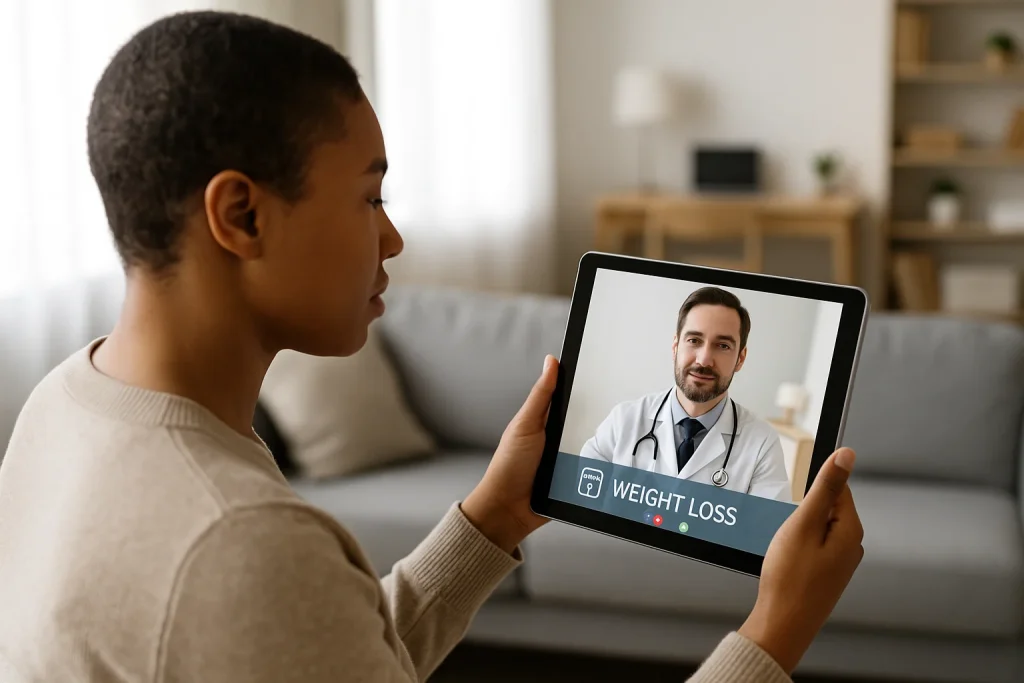
In today’s fast-paced world, convenience is key. Telemedicine weight loss programs offer a flexible solution for those who may not have the time or resources to visit a weight loss clinic in person. Through virtual consultations and online coaching, individuals can receive the support they need from the comfort of their own homes.
How Telemedicine Works
Telemedicine allows individuals to connect with healthcare providers and weight loss coaches through video calls, phone consultations, or online platforms. This approach makes it easier to access medical weight loss programs, especially for those living in remote areas or with busy schedules.
Advantages of Telemedicine Weight Loss Programs
- Accessibility: Individuals can access medical weight loss programs from anywhere, eliminating the need for travel.
- Flexibility: Virtual consultations can be scheduled at convenient times, making it easier to fit weight loss efforts into a busy lifestyle.
- Continuous Support: Ongoing communication with healthcare providers and coaches ensures individuals stay on track and receive the guidance they need.
Navigating Insurance and Medical Weight Loss
Understanding insurance coverage for medical weight loss programs can be complex. However, many insurance plans offer coverage for physician-supervised weight loss programs, especially if they are deemed medically necessary.
Tips for Navigating Insurance Coverage
- Check Your Policy: Review your insurance policy to determine what weight loss services are covered.
- Consult with Your Provider: Speak with your healthcare provider about the medical necessity of a weight loss program and obtain any required documentation.
- Contact Your Insurance Company: Reach out to your insurance company to clarify coverage details and any out-of-pocket expenses you may incur.
Developing a Weight Loss Maintenance Plan
Achieving your weight loss goals is a significant accomplishment, but maintaining your new weight can be equally challenging. A weight loss maintenance plan is crucial for long-term success.
Key Components of a Maintenance Plan
- Regular Monitoring: Keep track of your weight and health markers to ensure you remain on track.
- Continued Coaching: Ongoing support from a weight loss coach can help you navigate challenges and maintain healthy habits.
- Lifestyle Adjustments: Incorporate sustainable lifestyle changes, such as regular exercise and balanced nutrition, into your daily routine.
Getting Started with a Medical Weight Loss Program
If you’re ready to embark on your weight loss journey, a medical weight loss program may be the right choice for you. Here’s how to get started:
Step 1: Consult with a Healthcare Provider
Schedule an appointment with a healthcare provider to discuss your weight loss goals and determine if a medical weight loss program is suitable for you. Your provider can assess your health status and recommend appropriate interventions.
Step 2: Explore Program Options
Research different medical weight loss programs to find one that aligns with your needs and preferences. Consider factors such as location, telemedicine options, and program components.
Step 3: Commit to the Process
Successful weight loss requires commitment and dedication. Stay motivated by setting realistic goals, celebrating milestones, and seeking support from your healthcare team and loved ones.
In conclusion, medical weight loss programs offer a comprehensive approach to weight management by combining medication and coaching. This dual approach enhances weight loss results, improves health outcomes, and provides the support needed to maintain weight loss long-term. Whether you choose an in-person or telemedicine program, the key to success is finding a plan that works for you and committing to a healthier lifestyle. Start your journey today and take the first step towards achieving your weight loss goals.