
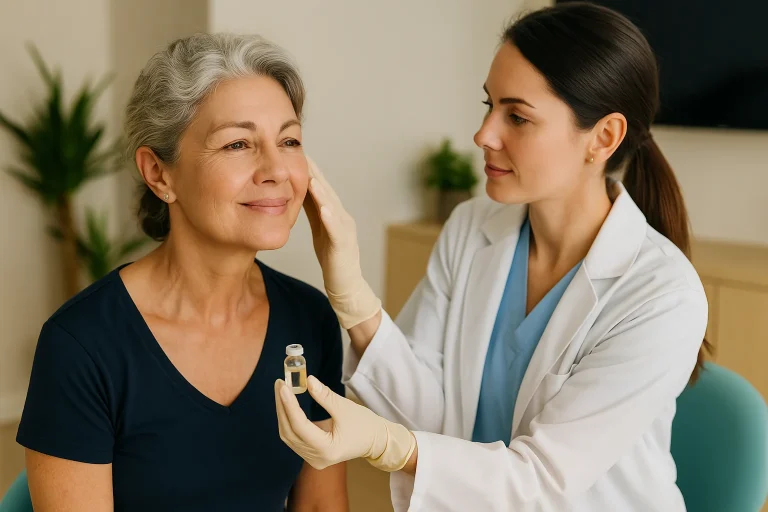
Aging is a natural process, yet many of us are on a quest to maintain youthful skin for as long as possible. For years, Botox has been the go-to solution for those looking to smooth out wrinkles and fine lines. However, as science advances, so do our options for skin rejuvenation. Enter peptides—a promising non-invasive alternative to traditional injectables for wrinkles. In this article, we’ll explore the differences between peptides and Botox, the benefits and side effects of each, and why peptides are gaining popularity in the world of anti-aging treatments.
Botox, or Botulinum toxin, is a neurotoxic protein used for cosmetic and medical purposes. When injected into the skin, Botox temporarily paralyzes muscles, preventing them from contracting and forming wrinkles. Typically, Botox is used to target dynamic wrinkles—those that appear with facial expressions, such as crow’s feet, forehead lines, and frown lines.
The Benefits of Botox
Botox is popular for several reasons:
- Quick Results: Many users report visible improvements in their skin within a few days.
- Effective for Dynamic Wrinkles: Botox is particularly effective for treating dynamic wrinkles, offering smoother skin in areas with frequent muscle movement.
- Relatively Quick Procedure: Botox injections usually take only a few minutes, making it convenient for busy individuals.
Botox Side Effects
Despite its popularity, Botox is not without potential side effects. Some people experience:
- Bruising or swelling at the injection site
- Headaches
- Temporary drooping of nearby muscles
- Allergic reactions
These side effects are typically mild and temporary, but they highlight the importance of choosing a qualified professional for the procedure.
Introducing Peptides
Peptides are short chains of amino acids that act as building blocks of proteins like collagen and elastin, which are crucial for maintaining skin’s firmness and elasticity. In skincare, peptides are used topically in creams and serums to promote skin rejuvenation and combat the signs of aging.
How Peptides Work
Peptides work by sending signals to your skin cells, encouraging them to produce more collagen and elastin. This can lead to improved skin texture, firmness, and overall appearance over time.
Benefits of Peptide Therapy
Peptides offer several advantages as an anti-aging treatment:
- Non-Invasive: Unlike Botox, peptide treatments do not involve needles or injections.
- Fewer Side Effects: Topical application of peptides generally results in minimal side effects, making them suitable for sensitive skin.
- Long-Term Results: Consistent use of peptides can lead to gradual, long-lasting improvements in skin health.
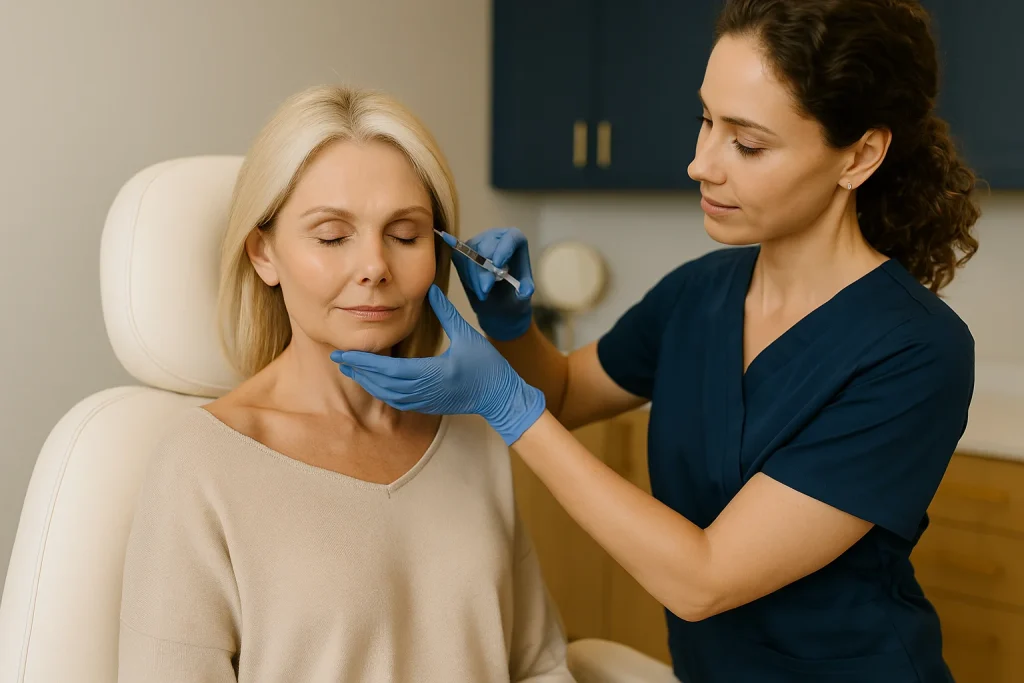
Peptides vs. Botox: Key Differences
When comparing peptides and Botox, it’s essential to consider their differences:
- Mode of Application: Botox is injected directly into the muscle, while peptides are applied topically.
- Target Areas: Botox is most effective for dynamic wrinkles, while peptides can be beneficial for both dynamic and static wrinkles.
- Duration of Results: Botox results are visible quickly but typically last 3-6 months, requiring repeat treatments. Peptides require consistent application over time but can offer long-term benefits.
- Side Effects: Botox carries a risk of side effects related to injections, while peptides have minimal side effects due to their topical application.
Why Peptides Are Gaining Popularity
The shift towards non-invasive anti-aging treatments is fueled by a growing preference for natural and gentle skincare options. Peptides align with this trend by offering a safer alternative to injectables without sacrificing effectiveness. Moreover, as research continues to uncover new peptides and formulations, the potential for advanced anti-aging solutions is vast.
The Future of Anti-Aging Skincare
As the demand for non-invasive treatments grows, so does the innovation in peptide therapy. Scientists are continually discovering new peptides with specific benefits for skin health, such as increased hydration, improved barrier function, and enhanced collagen production. These advancements promise to expand the range of effective peptide-based skincare products available to consumers.
Choosing the Right Treatment for You
When deciding between Botox and peptides, consider your personal preferences, skin type, and desired results. Botox may be the right choice if you’re looking for quick, noticeable changes in dynamic wrinkles. However, if you prefer a non-invasive option with fewer side effects and are willing to commit to a longer-term skincare routine, peptides may be a better fit.
Consultation with a Skincare Professional
Before making a decision, it’s advisable to consult with a dermatologist or skincare specialist. They can assess your skin’s needs and recommend a personalized treatment plan that aligns with your goals.
Conclusion
The rise of peptides as a non-invasive alternative to Botox marks an exciting development in the field of anti-aging treatments. While Botox remains a popular choice for immediate results, peptides offer a promising option for those seeking a gentler approach to maintaining youthful skin. By understanding the differences and benefits of each treatment, you can make an informed decision about the best path forward for your skincare journey.