

Integrative health care is gaining traction as a transformative approach to wellness. By combining traditional medicine with alternative health therapies, it seeks to treat the whole person—body, mind, and spirit. This holistic approach to wellness is being embraced by patients and practitioners alike, offering a more personalized and comprehensive path to health. As individuals increasingly seek wellness solutions beyond conventional methods, integrative health care stands out as a promising avenue that aligns with contemporary health needs and preferences.
Integrative health care emphasizes a deeper connection between patients and their overall well-being. This approach acknowledges that health cannot be compartmentalized and that emotional, mental, and physical aspects are intricately linked. By fostering this comprehensive understanding, integrative health care not only addresses existing health issues but also plays a pivotal role in preventing future ailments, ultimately contributing to a healthier society.
Integrative health care isn’t just a buzzword; it’s a paradigm shift in how we approach wellness. It encompasses various strategies and treatments, from preventive health measures to complementary and alternative medicine. At its core, integrative health care is about patient-centered care—creating wellness plans that are as unique as the individuals they serve. This approach acknowledges that each person’s health journey is distinct, requiring a tailored plan that respects personal preferences, histories, and lifestyles.
The rise of integrative health care reflects a broader societal movement toward health empowerment. Patients are no longer passive recipients of care; they are active participants in their health journey. This shift is supported by a growing body of research highlighting the effectiveness of combining various treatment modalities. By drawing from the best of both worlds—conventional and alternative therapies—integrative health care offers a more nuanced and effective approach to health management.
Integrative health care combines conventional medicine with alternative health therapies. This can include:
- Complementary Medicine: Practices like acupuncture, massage therapy, and yoga. These therapies work alongside traditional treatments to enhance healing processes and promote relaxation and stress reduction, which are vital for maintaining overall health.
- Functional Medicine: A focus on the root causes of disease rather than just symptoms. This approach delves into the individual’s history, lifestyle, and genetic makeup to create a personalized treatment plan aimed at long-term health and prevention.
- Holistic Wellness Services: Services that cater to mental, emotional, and physical health. These can include counseling, nutritional guidance, and meditation, offering a comprehensive support system for patients.
- Preventive Health Strategies: Emphasizing lifestyle changes to prevent illness. This proactive approach involves educating patients about nutrition, exercise, and other lifestyle factors that contribute to sustained well-being.
Each of these components contributes to a well-rounded health strategy that respects the complexity of human health. By integrating these diverse elements, health care providers can offer more than just symptom relief; they can foster genuine healing and sustained wellness.
Why Integrative Health Care is the Future
The future of wellness lies in treating patients as whole beings. Traditional medicine often focuses on treating symptoms or specific diseases. In contrast, integrative health care looks at the entire picture of a person’s health, including lifestyle, environment, and emotional well-being. This comprehensive view acknowledges that health is influenced by a myriad of factors, and addressing these holistically can lead to more profound and lasting health outcomes.
Integrative health care also aligns with the growing demand for more personalized and patient-centered health services. As patients become more informed and involved in their health decisions, there is a clear shift towards treatments that honor individual needs and preferences. This approach not only improves health outcomes but also enhances patient satisfaction and engagement.
Personalized Wellness Plans
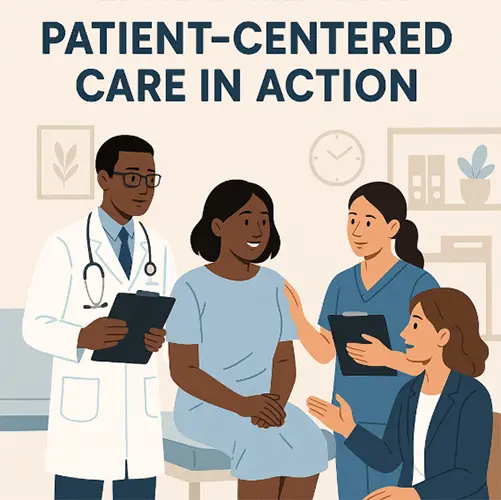
Patient-centered care is a hallmark of integrative health care. Instead of a one-size-fits-all approach, wellness plans are tailored to the individual. This personalization can lead to better health outcomes and a more satisfying patient experience. Each plan takes into account a person’s unique medical history, lifestyle, and goals, creating a more effective and enjoyable health journey.
Moreover, personalized wellness plans empower patients by involving them in the decision-making process. This empowerment fosters a sense of ownership over one’s health, encouraging adherence to treatment plans and lifestyle changes. As a result, patients are more likely to experience positive health transformations and sustainable well-being.
Emphasis on Prevention
Preventive health strategies are crucial in integrative health care. By focusing on prevention, patients can avoid many common illnesses and conditions. This proactive approach can lead to longer, healthier lives and reduce the need for expensive medical interventions. Preventive care also includes regular screenings, vaccinations, and health education, equipping patients with the knowledge and tools to maintain their health.
In addition to traditional preventive measures, integrative health care emphasizes the importance of mental and emotional well-being. By addressing stress, anxiety, and other psychological factors, patients can better protect themselves against a range of physical health issues, underscoring the interconnected nature of health.
Bridging the Gap with Complementary Medicine
Complementary medicine plays a significant role in integrative health care. Practices like acupuncture and massage therapy can be used alongside traditional treatments to enhance healing and well-being. This combination allows patients to experience the best of both worlds, leading to more comprehensive care. Complementary therapies can also help manage side effects of conventional treatments, providing a more balanced and supportive approach to health management.
Furthermore, these therapies often encourage patients to engage in self-care practices that promote relaxation and stress management. This not only supports recovery but also empowers patients to actively participate in their health maintenance, fostering a holistic approach to wellness.
The Benefits of Integrative Health Care
Integrative health care offers numerous benefits, from improved patient satisfaction to more effective treatment outcomes. By addressing the whole person, it provides a nuanced approach to health that can lead to transformative results.
Improved Patient Satisfaction
When patients feel their concerns are heard and their treatment is tailored to their needs, satisfaction increases. Integrative health care provides a more personalized approach, which can lead to better patient-doctor relationships and increased trust. This trust is crucial for effective health care, as it encourages open communication and collaboration between patients and providers.
Increased satisfaction also translates to greater adherence to treatment plans and lifestyle recommendations. Patients who feel understood and supported are more likely to engage actively in their health care, leading to better outcomes and a more fulfilling health journey.
Better Health Outcomes
By addressing the root causes of health issues and incorporating holistic wellness services, integrative health care can lead to improved health outcomes. Patients often experience fewer side effects and enjoy a higher quality of life. This approach not only treats existing health problems but also fosters resilience and vitality, promoting long-term health and wellness.
Integrative health care’s comprehensive strategies can lead to more sustainable health improvements. By focusing on prevention and holistic treatment, it reduces the likelihood of recurring health issues, contributing to overall life satisfaction and well-being.
Cost-Effectiveness
Though it may seem costly upfront, integrative health care can be more cost-effective in the long run. Preventive health strategies and personalized wellness plans can reduce the need for expensive medical procedures and hospitalizations. By investing in prevention and holistic care, patients can avoid costly interventions down the line.
Additionally, integrative health care can reduce the economic burden of chronic diseases by promoting healthier lifestyles. This can lead to significant savings for both patients and the health care system as a whole, highlighting the financial benefits of a comprehensive approach to health.
Implementing Integrative Health Care
For integrative health care to be successful, it requires collaboration between various health care providers. Doctors, specialists, and alternative medicine practitioners must work together to create cohesive wellness plans. This collaborative approach ensures that all aspects of a patient’s health are addressed, leading to more comprehensive and effective care.
The implementation of integrative health care also requires a shift in mindset. Health care providers must embrace a more holistic perspective, recognizing the value of combining diverse treatment modalities. This shift is essential for fostering innovation and improving health outcomes.
Building a Collaborative Network
Creating a network of health care providers is essential for integrative health care. This network allows for seamless communication and collaboration, ensuring that patients receive the best possible care. By bringing together diverse expertise, health care providers can offer more comprehensive and coordinated treatment plans.
Collaboration also fosters innovation, as practitioners learn from each other and integrate new insights into their practice. This dynamic exchange of ideas can lead to more effective and personalized health solutions, enhancing the overall quality of care.
Educating Patients
Education is a critical component of integrative health care. Patients need to understand their wellness plans and the role of various therapies in their treatment. By empowering patients with knowledge, they can take an active role in their health journey. This involvement is crucial for fostering adherence to treatment plans and promoting sustainable health changes.
Patient education also extends to lifestyle and preventive measures, providing individuals with the tools they need to maintain their health independently. By fostering a culture of health literacy, integrative health care empowers patients to make informed decisions and pursue healthier lives.
Overcoming Challenges
While integrative health care offers many benefits, it also presents challenges. These can include resistance from traditional medical practitioners and a lack of insurance coverage for some therapies. However, as awareness and demand for integrative health care grow, these challenges are likely to diminish. Advocating for policy changes and increased recognition of alternative therapies can help overcome these barriers.
In addition, ongoing research and evidence-based practices can further validate the effectiveness of integrative approaches, encouraging broader acceptance within the medical community. By addressing these challenges, integrative health care can continue to evolve and expand its impact.
Looking Forward: The Future of Wellness
Integrative health care is poised to revolutionize the future of wellness. As more people seek holistic and patient-centered care, the demand for integrative health services will continue to rise. By embracing this approach, we can create a healthier, more balanced world for everyone. The future of wellness lies in a more connected and personalized approach, where patients are empowered to take charge of their health.
The integration of diverse treatment modalities will redefine how we understand and manage health, leading to a more comprehensive and effective health care system. As this approach gains momentum, it has the potential to transform not only individual health outcomes but also the broader health landscape.
The Role of Technology
Technology will play a vital role in the future of integrative health care. From telemedicine to wearable health devices, technology can enhance patient care and improve access to integrative services. These tools allow for more efficient monitoring and communication, enabling real-time adjustments to treatment plans and fostering a more dynamic health care experience.
Advancements in technology also facilitate better data collection and analysis, providing valuable insights into patient outcomes and treatment effectiveness. This information can drive further innovation and refinement of integrative health practices, ensuring continuous improvement and adaptation to evolving health needs.
Expanding Access
As integrative health care becomes more mainstream, efforts must be made to expand access to these services. This includes advocating for insurance coverage and creating more integrative health care facilities. By making integrative health care more accessible, we can ensure that a broader population benefits from its comprehensive and personalized approach.
Expanding access also involves addressing disparities in health care availability and affordability. By promoting equity and inclusivity, integrative health care can contribute to a healthier society where everyone has the opportunity to achieve optimal wellness.
In conclusion, integrative health care represents a shift toward a more holistic, patient-centered approach to wellness. By combining traditional and alternative therapies, focusing on prevention, and personalizing care, it offers a promising future for health care. Embracing this approach can lead to better health outcomes, improved patient satisfaction, and a more sustainable health care system.